Nurmi Isles Waterfront Living And Las Olas Access Explained
April 2, 2026
April 2, 2026
If you want waterfront living near Las Olas without giving up a quieter residential setting, Nurmi Isles deserves a closer look. This pocket north of Las Olas blends canal-front homes, bridge access, and fast connections to dining, retail, downtown Fort Lauderdale, and the beach. If you are trying to understand how the area actually lives day to day, this guide will help you sort through the layout, lifestyle, and access points that matter most. Let’s dive in.
Nurmi Isles is best understood as a canal-island waterfront district north of Las Olas Boulevard. The name is used both narrowly and broadly depending on the source, so it is best not to think of it as one perfectly fixed boundary.
The City of Fort Lauderdale places Royal Palm Drive at Las Olas within Nurmi Isles, while the Nurmi Isles HOA bylaws define the core subdivision around Fiesta Way, Nurmi Drive, and Royal Palm Drive. Other local references describe four so-called Nurmi Isles north of Las Olas, which is why buyers sometimes see the name used in slightly different ways across listings and conversations. According to the City of Fort Lauderdale neighborhood documentation, that broader context is part of the area’s history.
Nurmi Isles traces back to Fort Lauderdale’s 1920s land-boom era, when these isles were dredged to create a waterfront residential district. Later, Victor Nurmi purchased the undeveloped islands in 1944, followed by deeper dredging, bridge construction, seawall replacement, paving, and landscaping.
The historic bridge inventory notes that the four Nurmi Isles bridges were built in 1948 across the Las Olas Canal. That history still shapes the neighborhood today because access, circulation, and waterfront orientation remain central to how the area feels and functions.
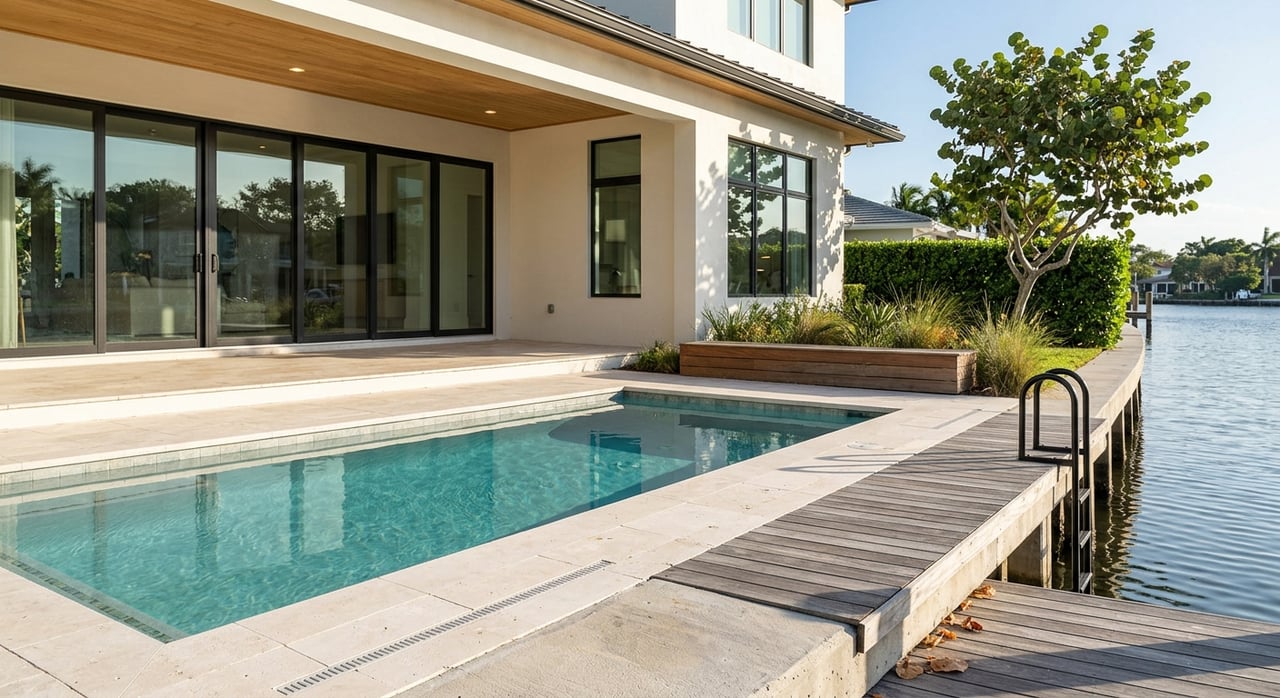
Water comes first in Nurmi Isles. The area is defined by canal frontage and bridge crossings, which creates a different daily experience than a neighborhood built on a larger through-street grid.
Because entry points are organized around bridges over the Las Olas Canal, many parts of the neighborhood feel more insulated and residential than nearby commercial corridors. That does not mean every property is identical, but it does help explain why Nurmi Isles often appeals to buyers who want direct-water living with a more tucked-away feel.
The four crossings identified in the bridge inventory are Isle of Venice, Fiesta Way, Nurmi Drive, and Royal Palm Drive. In practical terms, that means movement into and through the area is more limited than in a typical city grid.
For you as a buyer or seller, that matters because the layout influences privacy, traffic flow, and the overall rhythm of the neighborhood. In waterfront markets, these small structural details can have a real effect on how a location is experienced and how it is perceived by future buyers.
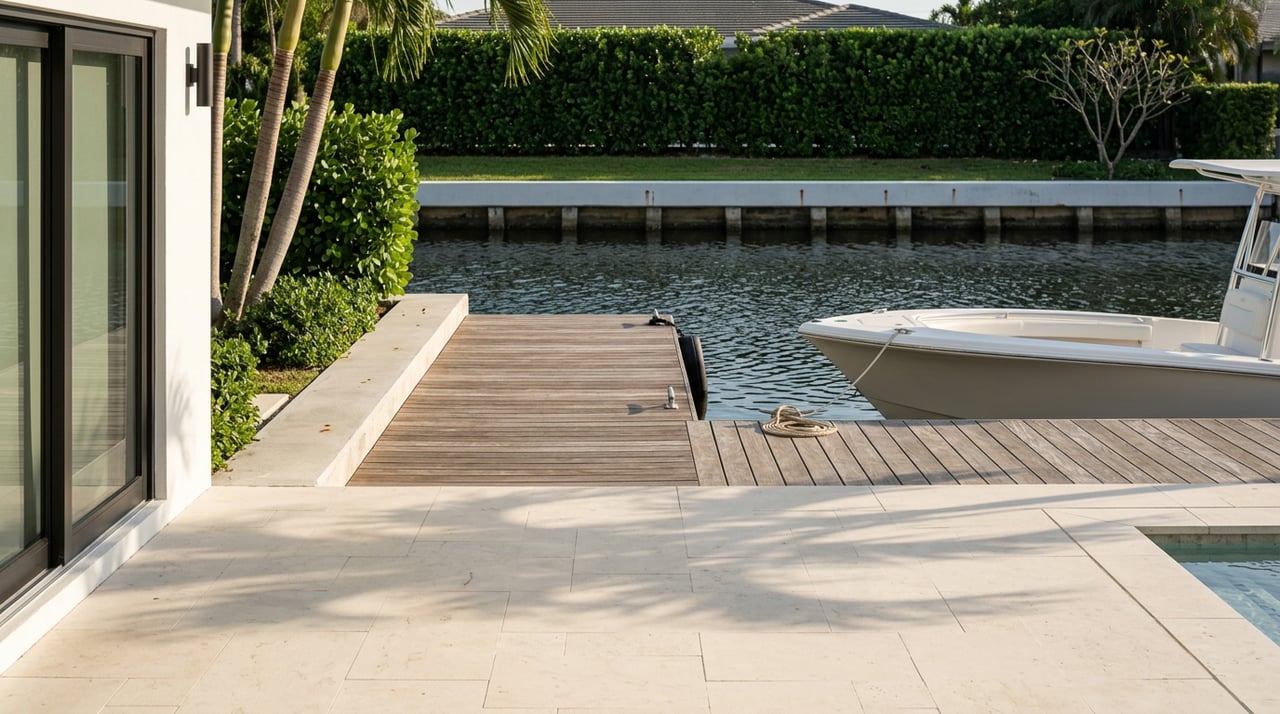
Nurmi Isles is not just near the water. It is a canal-based waterfront environment where boating is part of the neighborhood identity. The area’s form, bridge network, and seawall infrastructure all reinforce that point.
That said, waterfront ownership here also comes with real-world considerations. The city has been advancing seawall replacement and stormwater improvements in the Las Olas Isles corridor to reduce tidal flooding and prepare for sea level rise, so the shoreline is actively managed rather than static.
One reason Nurmi Isles stands out is the balance between central location and a more secluded atmosphere. The bridge-based access pattern helps create a neighborhood feel that can seem removed from the activity of Las Olas, even though it is close by.
A small but useful example comes from the Oasis of Nurmi Isles, which describes its Isle of Venice setting as quiet and free of vehicular traffic beyond its gates, while still being within walking distance to the beach and downtown core. That is not a description of every property in Nurmi Isles, but it does illustrate how some sections can feel sheltered while remaining highly connected.
For many buyers, the big question is simple: How easy is it to enjoy Las Olas from Nurmi Isles? The short answer is that access is one of the neighborhood’s strongest lifestyle advantages.
Las Olas Boulevard acts as both an amenity corridor and a key route between downtown Fort Lauderdale and Fort Lauderdale Beach. If you live in Nurmi Isles, you are close to one of the city’s most established dining, boutique, arts, and retail corridors, as described by the official Las Olas Boulevard association.
In parts of Nurmi Isles, you can walk to Las Olas, and some locations are also described as within walking distance to the beach and downtown. That kind of access is a major part of the neighborhood’s appeal because it adds an urban convenience layer to a waterfront setting.
The city is also investing in the Las Olas Boulevard Mobility Project, which focuses on wider sidewalks, safer crossings, added shade, raised intersections, traffic calming, and pedestrian-scale lighting. The goal is a greener, safer, more walkable corridor while maintaining the boulevard’s character.
The city’s conceptual design vision for Las Olas describes the Isles section as a pleasant waterfront experience that is frequently used by joggers and cyclists. It also notes that Las Olas is the direct route between downtown and the beach, and that this section does not have an alternative pathway for local access, according to the city’s corridor planning materials.
For you, that means Las Olas is not just nearby. It is part of the neighborhood’s daily framework. It serves as the edge, connector, and activity spine for Nurmi Isles.
Buyers often ask whether Nurmi Isles is just another name for Las Olas Isles. It is not. The City of Fort Lauderdale lists Nurmi Isles and Las Olas Isles separately in its neighborhood association resources.
That distinction matters because the street patterns, association definitions, and public project footprints differ. Nurmi Isles is its own micro-neighborhood, with its own identity and layout, rather than a catch-all label for the broader Las Olas waterfront area.
Another nuance is property type. Some buyers expect a fully uniform single-family waterfront environment, but that is not always the case across the broader Nurmi Isles references.
The Oasis of Nurmi Isles notes that Isle of Venice was the only one of the four so-called Nurmi Isles north of Las Olas zoned from the start for multifamily use. That helps explain why you may encounter co-ops or condos in some sections, while surrounding areas are more commonly associated with single-family waterfront homes.
If you are evaluating Nurmi Isles, it helps to look beyond the headline lifestyle and focus on the structure of the opportunity. In a waterfront micro-market, the details often drive the decision.
Key points to evaluate include:
For high-value waterfront purchases, these are not small details. They shape both lifestyle fit and long-term positioning.
Nurmi Isles offers a combination that is hard to replicate: a quieter waterfront setting with quick access to one of Fort Lauderdale’s most active lifestyle corridors. That mix tends to resonate with buyers who want privacy, boating access, and a central location without living directly inside a busier commercial environment.
It can also appeal to buyers and investors who value neighborhood nuance. In markets like this, understanding canal orientation, bridge access, housing mix, and public infrastructure planning can help you make a better acquisition decision and avoid oversimplifying the asset.
If you are considering buying or selling in Nurmi Isles, the right question is not just whether the neighborhood is attractive. It is whether a specific property is positioned well within this waterfront micro-market.
That requires a close look at access, setting, use case, and how the property fits the broader Las Olas waterfront landscape. If you want a more strategic read on Nurmi Isles, waterfront positioning, or off-market opportunities, Giulio Milano can help you evaluate the options with a disciplined, neighborhood-specific approach.
Stay up to date on the latest real estate trends.
Rooted in trust, expertise, and sincere dedication, Giulio brings a lifelong appreciation of what “home” means to every client and every move.